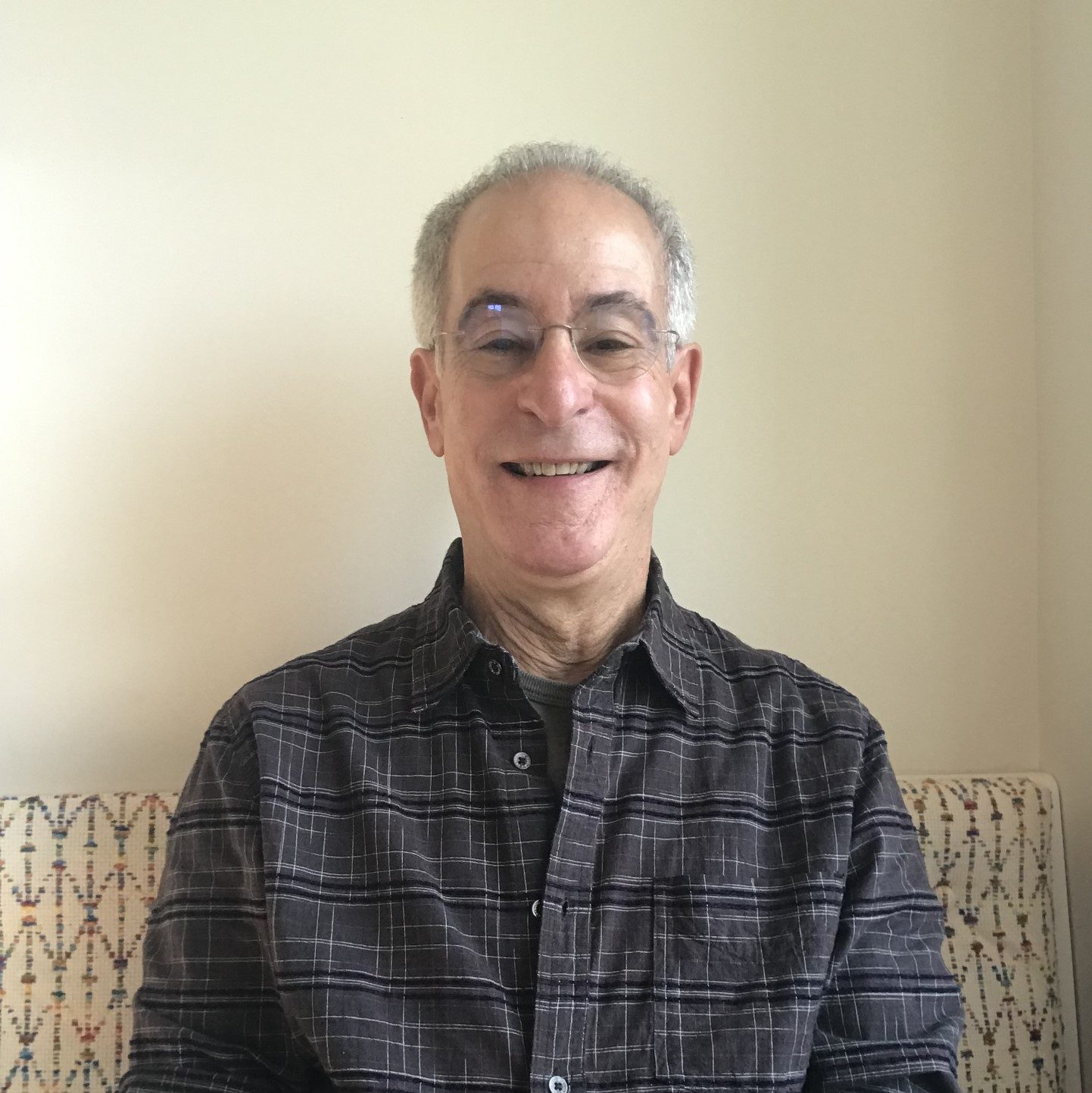
Allen Samelson
Allen tells the stories of his parents, William Samelson and Rosalie Neiberg, who were teenagers in the Polish city of Piotrkow-Trybunalski, when the German army marched in on September 5, 1939, at the start of World War II. His parents endured internment in the first Jewish “ghetto” established by the Nazis in Europe, as well as months of forced labor in several concentration camps, including Auschwitz and Bergen-Belsen. More than twenty members of their families were killed during the war, including all four of Allen’s grandparents, as well as numerous aunts, uncles and young cousins.
William was liberated from the Dachau concentration camp and Rosalie from Bergen-Belsen in April 1945. They recovered from the war in the Landsberg Displaced Persons camp near Munich, Germany, where they met and married. After the birth of their son Jerry in March 1947 in Landsberg, William and Rosalie emigrated to the U.S. in 1949, settling in Chicago, where they rebuilt their lives and raised a family with four children, all of whom graduated from college and achieved doctorate degrees. William and Rosalie passed away in 1998 and 2012, respectively, and are survived by their children, eight grandchildren and many great-grandchildren.
William and Rosalie’s survival story conveys their strength and resilience, as well as the importance of courage and luck, in the face of human evil. Through hard work and determination, William and Rosalie were able to overcome the great traumas they endured as young adults to build successful and happy lives in America. In his presentation, Allen emphasizes the values his parents imparted to their children: education, hard work, compassion, and standing up to all forms of prejudice and bigotry.
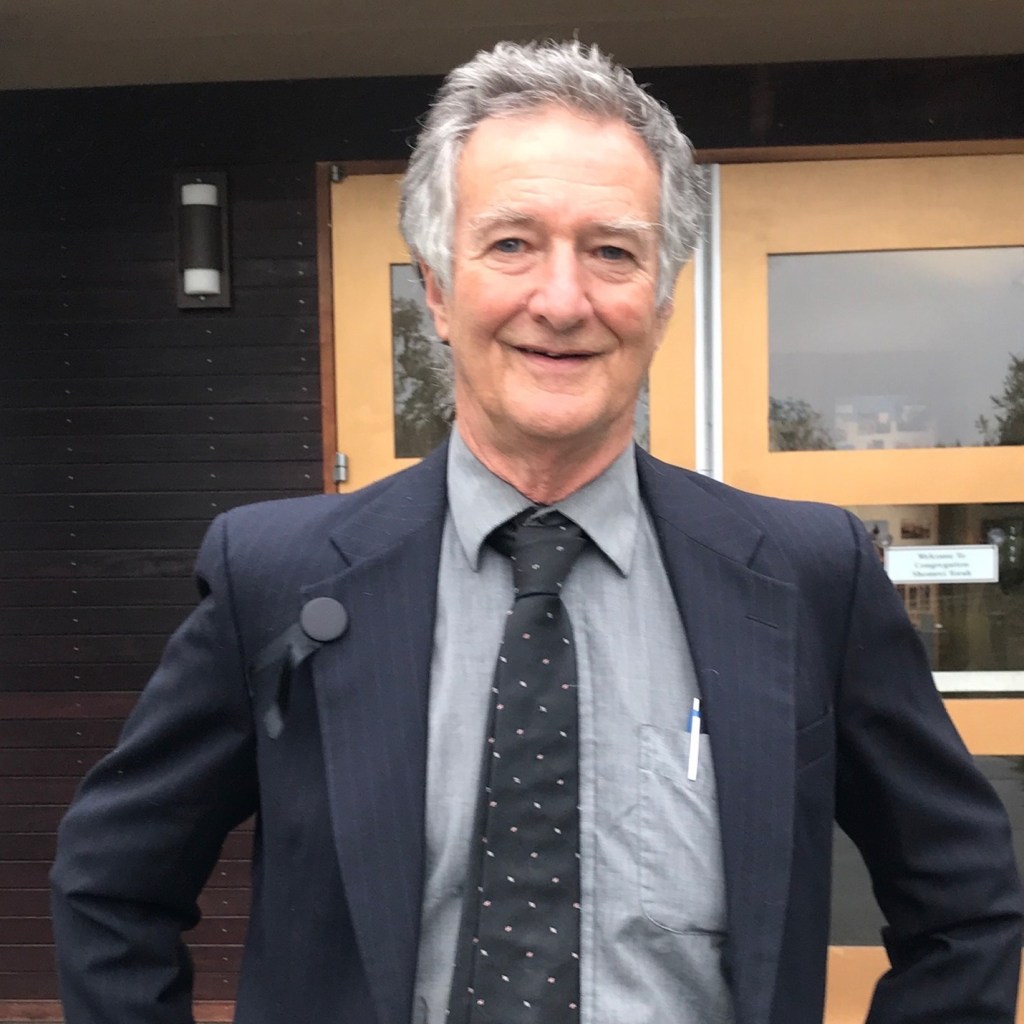
Eric is a mostly retired construction contractor and former educator, navigating retirement and has been presenting his Dad’s Holocaust story, “Surviving the Nazis,” in order that his story may continue to be told in the larger context of Holocaust and Genocide education. Eric’s parents were both Holocaust survivors, and met in high school at the Joodse Lyceum in Amsterdam, where Anne Frank was a student as well. Eric’s father, Hans, fled Germany with his family in 1937, and Hans’s older brother Tom was able to emigrate to the U.S. where he ultimately joined the Army and fought the Nazis as an interrogator of Prisoners of War as one of the “Ritchie Boys.” Eric’s grandfather was arrested in Holland in 1941and perished in Auschwitz. His father, grandmother, and Hans’s other brother managed to survive the war in hiding.
Hans’s story tells what life was like, first growing up in a hostile Germany, and then as a refugee in Holland, having to survive the Nazi occupation in hiding, including some harrowing experiences and narrow escapes.

Ida Abott
Ida’s parents were from a small town in Poland. They each survived labor camps, death marches, and death camps, including Auschwitz and Buchenwald. Returning home after the war, they found that only 8 other Jews – out of 1700- had survived. They also encountered Polish militias who were killing Jewish survivors, so they fled to a Displaced Persons camp in Munich, Germany, where they married and where Ida was born. In 1949, they came to the US as refugees and settled in Miami, Florida.
Ida’s father believed strongly in Holocaust education. Beginning in the 1950s, he spoke frequently to students, teachers and community groups about his experiences, the lessons of the Holocaust, and what each of us can do to stop hatred and bigotry. Fortunately, Ida has been able to incorporate video clips of him and her mother into her presentation so that they can tell their stories and convey their message to audiences directly.
Ida has spent her career in the legal profession, first as a trial lawyer and then as a consultant, advisor, author and speaker.
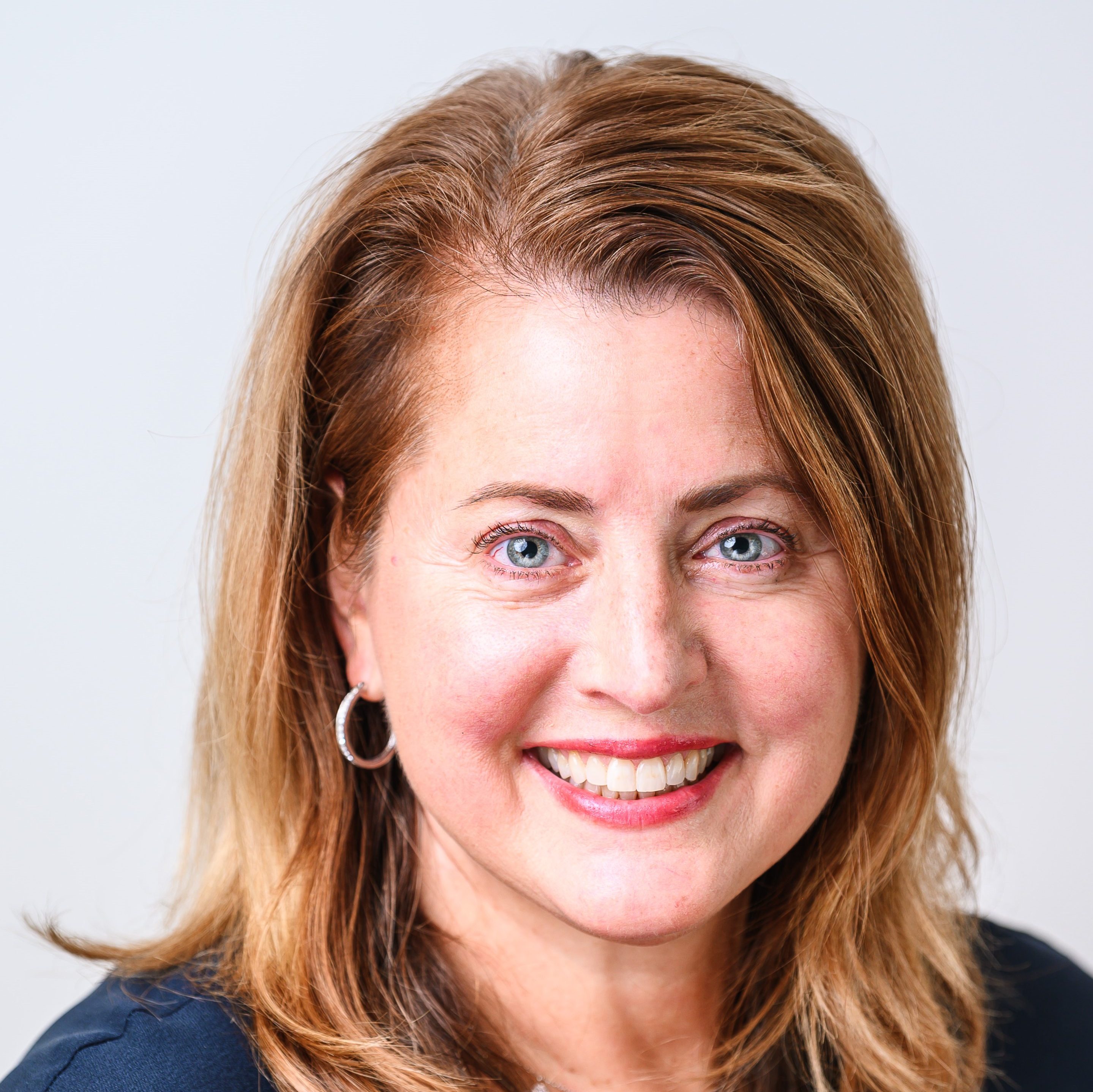
Lisa Gigi tabak
Lisa Gigi Tabak was born and raised in San Francisco. She went to public school, graduating UC Berkeley with a BS in 1991 and received a double masters degree in Management of Non profits and Jewish Communal Service from Brandeis University. Since 1996 she has been working professionally in the Jewish community, mostly at the Federation. Lisa works with donors who have created charitable funds and helps advise them on their philanthropy. She absolutely loves her work but in her free time enjoys yoga, biking, baking and writing non fiction. Lisa is married with two teenage children and lives in Moraga, CA.
Both of Lisa’s parents survived the Holocaust as children in very different countries and circumstances.
Edith “Eda” Weiler Tabak – z’l, survived as a hidden child. The youngest of 6 children born in Rawa Ruska, Poland, she spent most of the war hidden in a barn with her 2 older sisters that existed on the property of a nearby gentile family farm. The girls were brought over by their father (my grandfather) in a desperate attempt to save them with the promise that there would be monetary remuneration which of course never transpired. This family that risked everything for my mother and aunts have become Righteous Gentiles at Yad Vashem in Jerusalem. This story is one of trust and what it means to lose and find trust as a child and an adult. It also focuses on doing the right thing when asked to take on a major, life changing/life threatening situation and the road to recognition for taking such risk.
George Tabak – z’l, survived the war as a nine year old living in the Budapest Ghetto with his twin sister, little brother and mother as well as with extended family. His father was taken away to a remote part of Hungary where he was doing forced labor under the supervision of the Arrow Cross. After the war he returned home to Budapest as did the entire family after being liberated from the ghetto by the Russian Army. After about 10 years, when the Hungarian revolution started, George and his siblings ran for the border to start a new life for themselves in America. This story is of deception, making the best of a bad situation and risking what is most dear.

Peter Metzner
Peter is the son of Edith and Kurt Metzner, Holocaust survivors who escaped Vienna, Austria in 1938. Born in Los Angeles in 1953, Peter has lived in the Bay Area since 1978, married to Aliza for 40 years and has two married daughters and two granddaughters. Retired after a career in financial services, Peter remains active in several volunteer roles, inspired by the refugee and resettlement story of his parents, including his role as Past President of the Board of Jewish Family and Community Services, East Bay.
Kurt was 24 and Edith was 19 in 1938. Their lives were much like we would see in a cultured America. Kurt passionately enjoyed opera and literature, and Edith enjoyed tennis and summers in the beautiful mountains and lakes of Austria. Life as they knew it ended in May, 1938, when Kurt was targeted for his involvement in a liberal thinking Literacy club and as a Jew. He responded with urgency, notifying all family and friends that their lives were in danger if remaining in Vienna. He immediately prepared a plan to leave.
Kurt and Edith escaped separately. In July, 1938, Kurt was the first to leave Vienna, leaving behind his family, who did not react with the same sense of urgency. None of them survived and his parents were murdered in concentration camps. Edith began her escape in October, 1939, also alone, but with her parents and sister following her lead. Kurt remained in regular contact and provided written guidance identifying areas of soft border crossings. With stops in France, Luxembourg, Lichtenstein and Holland, Edith had a harrowing journey through mountains, train stations and armed Nazi guards to finally escape to the US, meeting Kurt in NY in October 1939. They quickly moved to Hartford, CT and married in 1940.
My story is about the human character of my parents, withstanding the trauma caused by surviving the systematic acts of prejudice, discrimination, violence and genocide of Jews, and moving their lives forward, responding with courage, bravery, resiliency and kindness while maintaining their integrity in treating others. These are the values I try to carry forward. Their untold story also left a hole in their hearts which covered up their immense sadness and loss, which was rarely talked about. My retelling of their story is part of my own process of rebuilding my full range of emotion for their loss and experience and keeping their story alive.
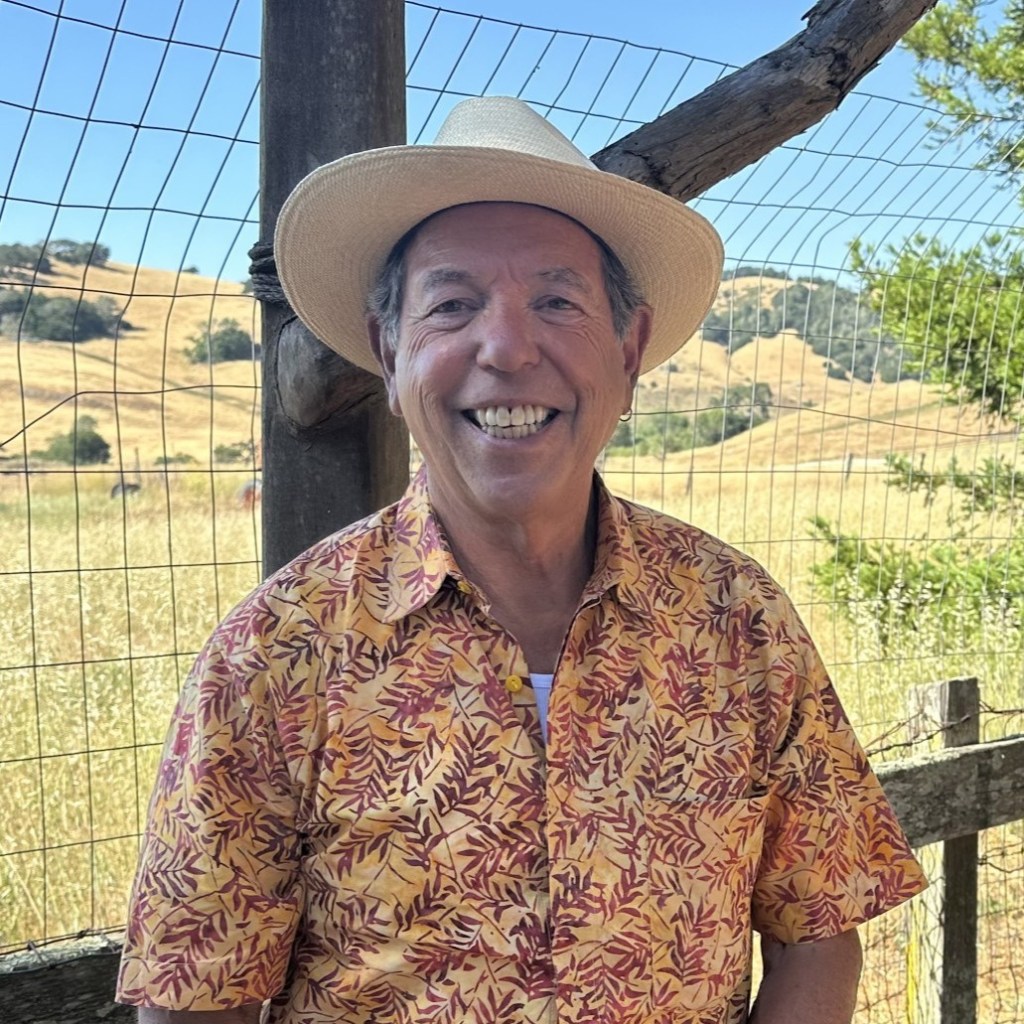
Raphael Gilbert
Raphael’s father, David Goetzel, was born in 1913 and raised in Baden Baden, Germany, among eight siblings who helped his parents maintain a dry goods store. In the early 1930s, David moved to Paris, drawn to its culture and his desire for a bohemian lifestyle. He obtained 78 rpm recordings of Hitler speeches and distributed the records throughout Paris to serve as a warning sign to the French. David met his future wife, Sophie Walfish, a Polish Jew, at the Sorbonne. Sophie became homesick for her family in Warsaw. In 1936, David and Sophie made the fateful decision to leave Paris for Poland. By 1938, they had a daughter, Mikki.
In 1939, David was arrested by the Gestapo, accused of failing to display the mandatory yellow Magen David armband. He was incarcerated for a period of time in Mokotow prison. In 1943, David heard of a prisoner exchange between the Allies and the Germans. David was able to get his family on the exchange list. The family was transported by train to Bergen Belsen and held in the Sonderlager, a section of the camp designated for transients. They remained in Bergen Belsen for two years.
In April, 1945, David and his family boarded a train departing the camp. Four days later they arrived in the woods outside of the town of Ulzen. The Germans feared the impending loss to the Allies and fled the train. David, Sophie and Mikki were able to escape and arrived in Palestine on June 23, 1945.
David and Sophie divorced in 1946. Raphael’s mother, Liesel, met David in Haifa and they were married a month before Israel was founded in 1948. Raphael was born in 1950, and became a New Yorker in 1953 when his parents left Israel so David could build a business. Changing the family name to Gilbert, he became a successful importer, specializing in paint brush handles. In 1978, Raphael moved to the East Bay where he married and raised three wonderful daughters.
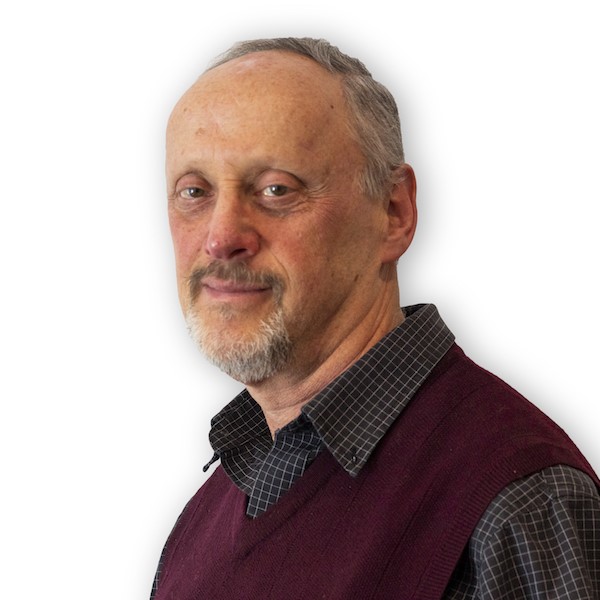
stewart Florsheim
Stewart’s mother, Flora, was a Holocaust survivor, as were her parents, Karoline and Samuel, and her brother, Norman. They lived in Frankfurt, Germany. Stewart’s grandfather, Samuel, had a kosher meat market that he ran with his brother in-law. The shop was destroyed on Kristallnacht in 1938, and Samuel was deported to Dachau. He told his wife not to try to seek his release from the Gestapo because, after all, he defended Germany in WWI and this would “blow over.” Stewart’s grandmother was able to procure a visa for the family to leave Germany, since she had sisters in New York City. As a result, Stewart’s grandfather was released from Dachau after a few months, but he was never the same. Stewart’s mother attended a Jewish school that was vandalized, and she was beaten up by the Gestapo, but otherwise, in the early years, the Gestapo left children with their mothers.
Stewart’s mother and her family set sail from France to New York City in March 1939. They settled in Washington Heights (in northern Manhattan), an area that became known as “Frankfurt on the Hudson.” Samuel reopened his kosher meat market in the neighborhood, and it became very successful. Stewart grew up in Washington Heights, surrounded by other children of survivors. Many other members of his family were killed in the Holocaust, and his cousins were on the ill-fated ship, the St. Louis.
Stewart’s father, Max, came from a small town near Frankfurt and, reading the writing on the wall, immigrated to America in 1934. His parents met and married in New York City.
Stewart retired from a long career in high tech in 2021. He currently sits on the board of Jewish Family & Community Services of the East Bay and End of Life Choices California. He also does other volunteer work, including leading a memoir-writing workshop for Holocaust survivors through JFCS-EB. Stewart is the author of four books of poetry and the editor of Ghosts of the Holocaust, an anthology of poetry by children of Holocaust survivors published by Wayne State U. Press in 1989.
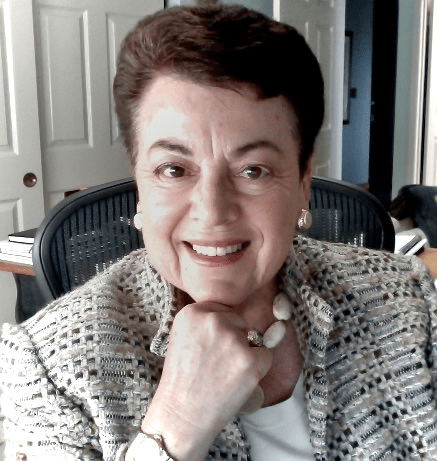
Helen bulwik
Helen is a 2nd generation Holocaust survivor. She was born in the Schwabach, Germany DP Camp in 1949. She tells her story of Antisemitism, the Holocaust and Genocide through the eyes, experiences, and lives of her parents, Gedalja Bulwik and Rosel Sczotka. She speaks with first-hand knowledge of the impact and effects of generational trauma. She explains the Pyramid of Hate and its progression from acts of bias to genocide.
In 1939, when Hitler invaded Poland, Gedalja was 28 years old, a husband and father of two young children, surrounded by a large extended family. Within a year, the entire family was sent to Auschwitz, where they were separated. Gedalja would never see his family again. Over the next five years, he would suffer and toil in multiple forced labor camps until he was liberated by the Americans in May 1945. He weighed seventy pounds, was too weak to stand, and near death. After regaining his health, he was taken to the Schwabach DP camp where he spent the next five years.
Helen’s mother, Rosel, was only four years old when Hitler became the Fuhrer of Germany in 1933. She was the youngest of four sisters in a German Catholic family. While her family was not Jewish, her long deceased grandmother had been Jewish. This “Jewish Blood” made them a target of the Nazi’s. In 1939, when Rosel was nine, the Nazi’s seized their home, their business, and all of their assets, forcing them to flee for their lives. By the time she was eleven, both her parents had died from the lack of necessary medications. She spent the next five years in hiding with her sisters. When the war ended in 1945, Rosel was just 16 years old, an orphan with very limited education, and traumatized from the brutal war experiences she had endured.
Helen’s parents met in 1947 in the Schwabach DP camp. They married a year later and Helen was born the year after that. With the help of the Joint Distribution Committee, the new family was able to emigrate to the United States, arriving in Oakland, California in May, 1950. Helen grew up in Oakland within an extended family of holocaust survivors. She went to Oakland public schools and then on to the University of California, where she earned her BS and MBA. She went on to enjoy a successful career in business as an Entrepreneur, Corporate Advisor, and CEO of several companies.
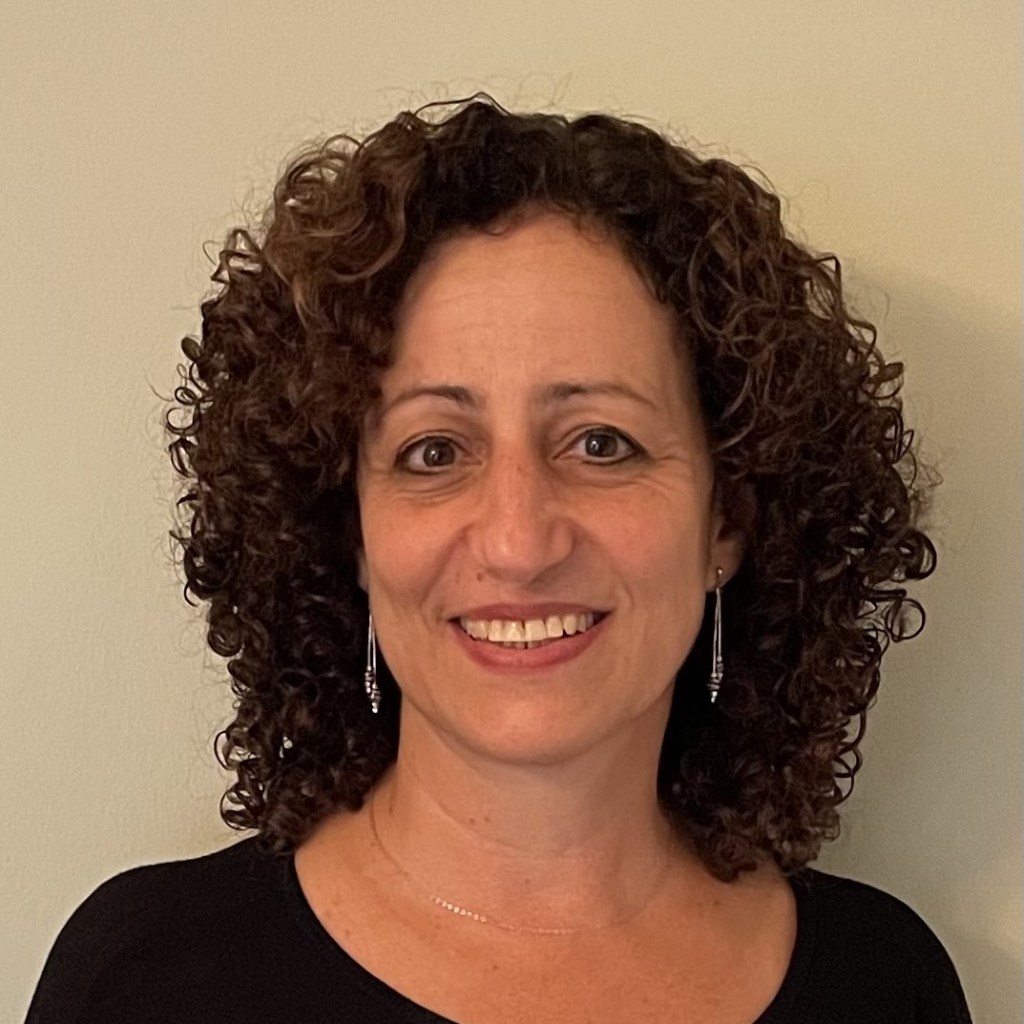
judith david bloomfield
Like many Holocaust survivors, Judy’s mother didn’t talk much about her wartime experiences for nearly 40 years after WWII, though when Judy asked a question her mother would always try to answer. Judy’s father died too soon, when he was 55 and she was 13 – before he could speak about his suffering in forced labor camps and his losses.
Judy’s parents were both from Oradea, Romania – a city bordering Hungary in the region of Transylvania, which had a thriving Jewish population before the Nazis invaded in 1944; today it is almost nonexistent. When Judy went to college in the 1980’s, her mother began to share her story publicly in schools, her sense of purpose fueled by Holocaust deniers. She told of how three teenage girls – she and her older sister, and a young girl from their hometown they “adopted” – managed to stay together and survive Auschwitz and labor camps over the last 12 months of the war. The devotion of these “camp sisters” to each other and their ability to “hope when there was no hope” are key themes of the story. After her mother died in 2010, Judy began presenting her mother’s story, bringing a second generation voice and perspective to a new generation of students.
A graduate of Stanford University, Judy has over twenty years of experience in non-profit management and is a former board president of Jewish Family & Community Services East Bay. After raising two children with her husband, she went back to school midlife to complete a year of postgraduate studies in Music in Jewish Life with the Academy for Jewish Religion California. She organizes and sings at Holocaust remembrance events in her local community, and writes reviews of Holocaust-related books for the journal of the Western States Jewish History Association.
Judy is currently writing a book for young adults on the intergenerational legacy of Holocaust trauma and resilience, based on her mother’s memoirs and her own travels in Canada, Israel, and Eastern Europe to retrace her mother’s steps and deepen her understanding of her family’s history. Judy’s presentation includes historical family photographs, video and audio clips of her mother’s storytelling, translations of pre- and post-war family letters, as well as a display of precious artifacts from the war she inherited from her mother.
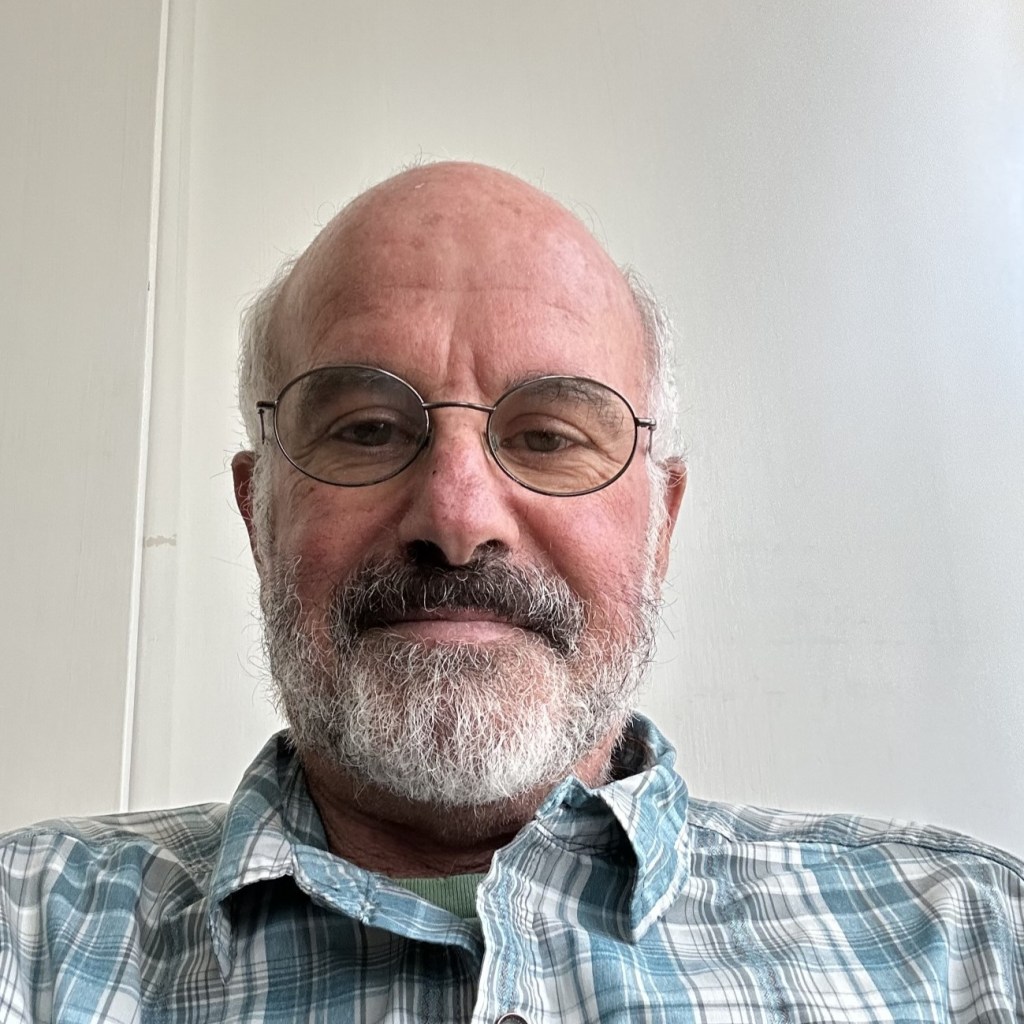
Larry polon
Larry tells the survival story of his mother, Edith Fogel Polon who was born in Batyu, Czechoslovakia, a small town in the Ruthenia region of the Carpathian Mountains. Until 1937 Jews were well treated and assimilated into Czech society. This all changed following the Hungarian occupation in March of 1938 with the passage of anti-Jewish legislation. In 1939 Edith’s father’s business permit was confiscated. By 1944 Jews were rounded up by the thousands and taken to relocation camps. The Hungarian gendarmes arrived at the Fogels’ home on the eighth day of Passover, April 14, 1944, and transported her family and Jewish neighbors to the Beregscasz relocation camp. Six weeks later she and her family boarded a train to Auschwitz. Her mother and four sisters were killed in the gas chambers of Birkenau.
After surviving four months at Auschwitz, Edith was transferred to a labor camp in Hamburg Germany, then in March 1944, to Bergen Belsen, where she contracted typhus and dysentery one month prior to liberation. Edith was 17 when the British liberated Bergen Belsen in April 1945. A Swedish Red Cross boat took her to a hospital in Malmo, Sweden. She was soon transferred to a sanitarium in Goteborg where she spent ten months recuperating. Finally, on the first night of Passover 1946, two years after the last Passover holiday she had spent with her family, Edith arrived in Los Angeles under the sponsorship of her uncle and four aunts. She married and gave birth to four children and was later survived by eight grandchildren. Passover marked her life’s legacy, a new generation to carry forth the memory of those who perished in the Holocaust and the Jewish tradition.
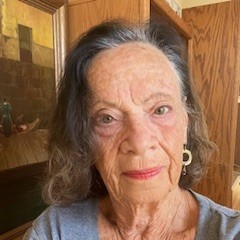
Hildie Spritzer
Hildie’s father, Herman Spritzer, left Germany after riding in a cab on Kristallnacht, when he was told by his friend, the cab driver, it was best that he leave the country. His parents went into hiding in Holland and he left for America, but his ship was denied entry to the U.S., and he ended up in Cuba for two years. Upon entry to the U.S., he was drafted into the U.S. Army and was assigned to Camp Ritchie, Maryland (a “Ritchie Boy”). He fought on the beaches of Normandy and served as an interrogator of German prisoners of war. At the end of the war, Hildie’s father was given a jeep in order to find his parents, only to discover they had been taken from their home a few days earlier. His parents had been deported from Holland to two labor camps and were murdered in the Sobibor concentration camp.
Hildie’s maternal grandparents, mother and uncle came to the U.S. from Poland in 1938, leaving behind many relatives who perished in the war.
Hildie has many poignant letters written by family members before and during the war, which she shares with students in her presentations, including a letter from her uncle that he sent upon his release from the concentration camp describing the loss of his wife and two children. Hildie also shares other family artifacts from the war, including silver that was hidden by a righteous family friend.
As an educator, Hildie has presented her family’s stories to many middle and high school students, along with teaching Anne Frank’s autobiography and “Night” by Elie Wiesel. She is presently on the board of The Mitzvah Project and a member of her synagogue’s Second Generation Group.
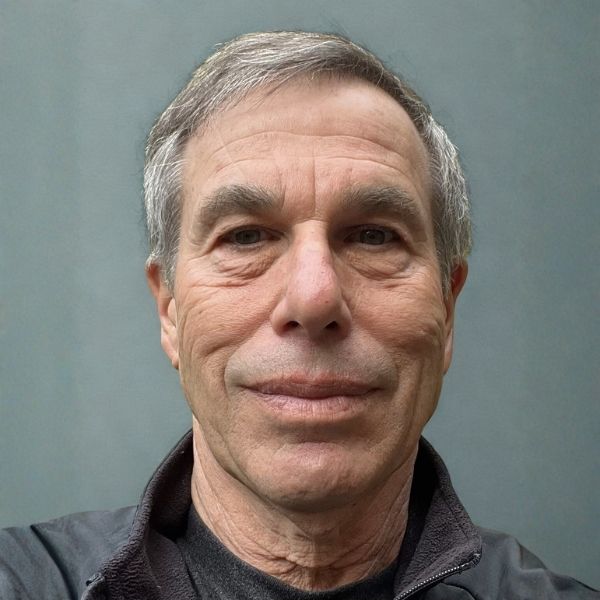
ben hamburg
Ben’s parents were from poor working-class families in a small Polish city called Bedzin. Before the German invasion of Poland in September 1939, the Jews of Poland were othered and poorly treated by their Polish neighbors, but this treatment, as terrible as it was, did not begin to compare to the horrors they faced after the Germans occupied Bedzin. Ben’s parents and all other Jewish residents of Bedzin were forcibly removed from their homes and crammed into a segregated area called the Bedzin Ghetto, basically a prison consisting of only several blocks of old buildings. Ben’s parents faced malnutrition, overcrowding, sickness and a complete degradation of humanity. They witnessed the murder of their families and friends by the Germans. Ben’s parents, both imprisoned in German concentration camps, survived thanks to cunning, help from kind, non-Jewish people, and lots of luck. They immigrated to the U.S. in 1947 and raised three children.
Ben tells the painful stories passed down to him by his now-deceased parents. His talk focuses on how the Germans, controlled by the Nazis, a political party led by Adolph Hitler, in the name of “making Germany great again,” used othering, bullying, scapegoating, and their “Final Solution,” the plan to murder all Jews, Gypsies, Gays, Jehovah’s Witnesses, disabled persons, persons who dared to disagree with them, and anyone else who they labeled as “undesirables,” to build power and create an autocracy that they hoped would dominate the world. Through his parents’ first-hand-witness-stories and a discussion of history, Ben draws parallels to the attempts at authoritarianism that are rampant in our world today, and attempts to instill in students an understanding that the dehumanization, deprivation of fundamental rights, and murder committed by the German government could happen again if the students do not challenge othering, scapegoating and bullying, and stand up for the rights of others.
 Holocaust Story Project